




The crypto world reverberated with the news: Do Kwon, the mastermind behind the Terra/Luna ecosystem, pleaded guilty to fraud. This wasn’t just another regulatory hurdle; it was the culmination of a saga that wiped out billions and shook investor confidence.
The Terra Implosion
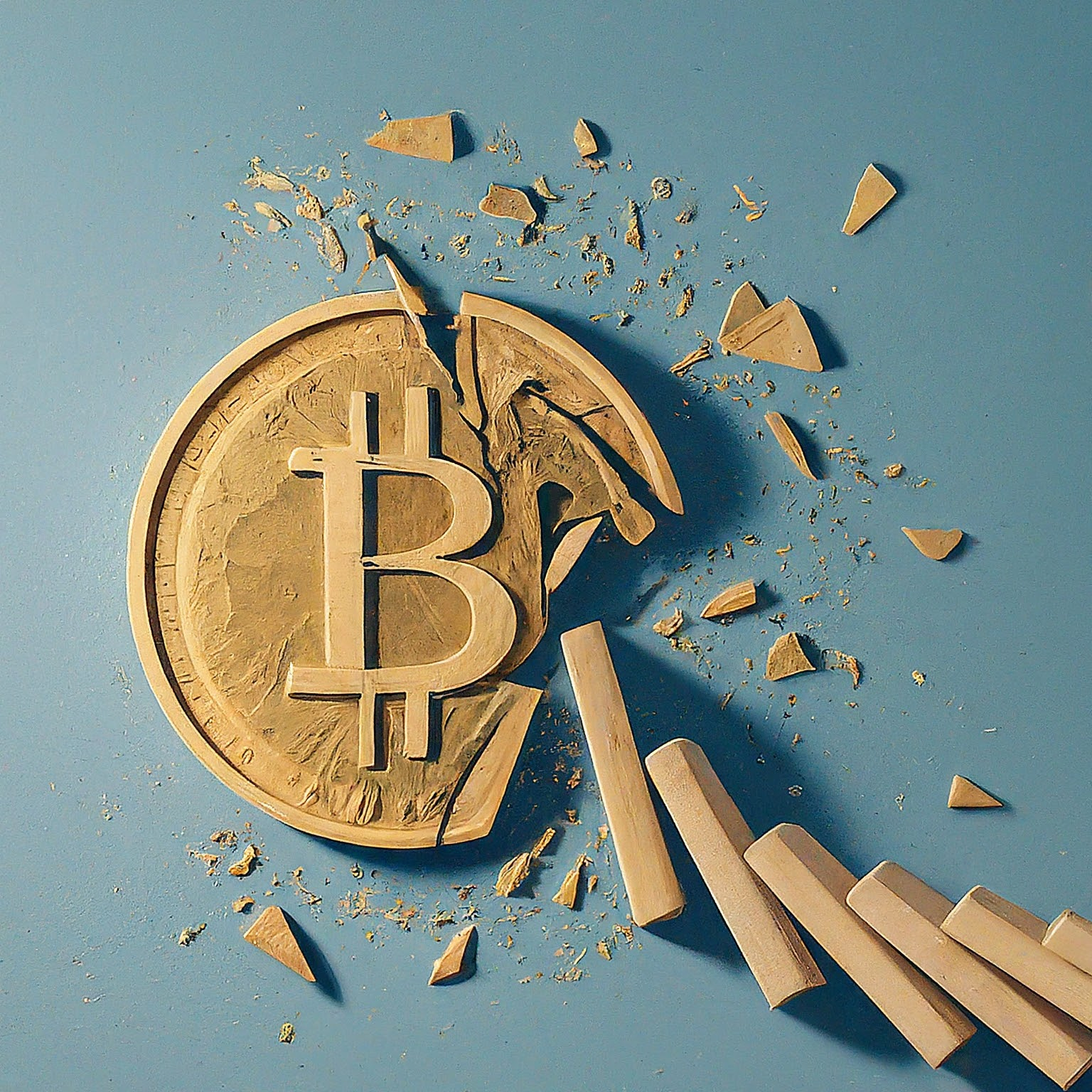
In 2022, the Terra ecosystem, built around the algorithmic stablecoin UST and its sister token Luna, imploded spectacularly. Luna, once valued near $120, plummeted to less than 10 cents in a matter of weeks. UST lost its peg to the dollar, triggering a cascade of liquidations and bankruptcies across the crypto market. Investors were left reeling from the sudden and catastrophic collapse.
Kwon’s Admission
After a lengthy extradition process, Do Kwon pleaded guilty to two counts of fraud. He admitted to knowingly misleading investors with false assurances about the stability and safety of Terra and Luna. His actions, perpetuated through tweets, media appearances, and official communications, painted a rosy picture that masked the inherent risks of the algorithmic stablecoin model.
The Plea Deal
Kwon faces up to 12 years in prison as part of his plea agreement. The Department of Justice will recommend this sentence, although the final decision rests with the judge. He will also be eligible to apply for an international prison transfer after serving half his sentence. However, this is not the end of his legal woes, as he faces separate charges in South Korea, where many of the affected investors reside.
The Aftermath
The Terra/Luna collapse served as a harsh reminder of the risks associated with algorithmic stablecoins and the importance of due diligence. The event spurred increased regulatory scrutiny and calls for stricter oversight of the cryptocurrency market. It also highlighted the volatility and potential for rapid losses in the crypto space, particularly for projects with complex and untested mechanisms.
Looking Forward
The guilty plea of Do Kwon marks a significant moment in crypto history. The repercussions of his actions are still being felt, and the industry continues to grapple with the fallout. The case underscores the need for greater transparency and accountability in the decentralized finance space. What are your thoughts on the long-term impact of this event? Share your perspective in the comments below.
Deixe um comentário