






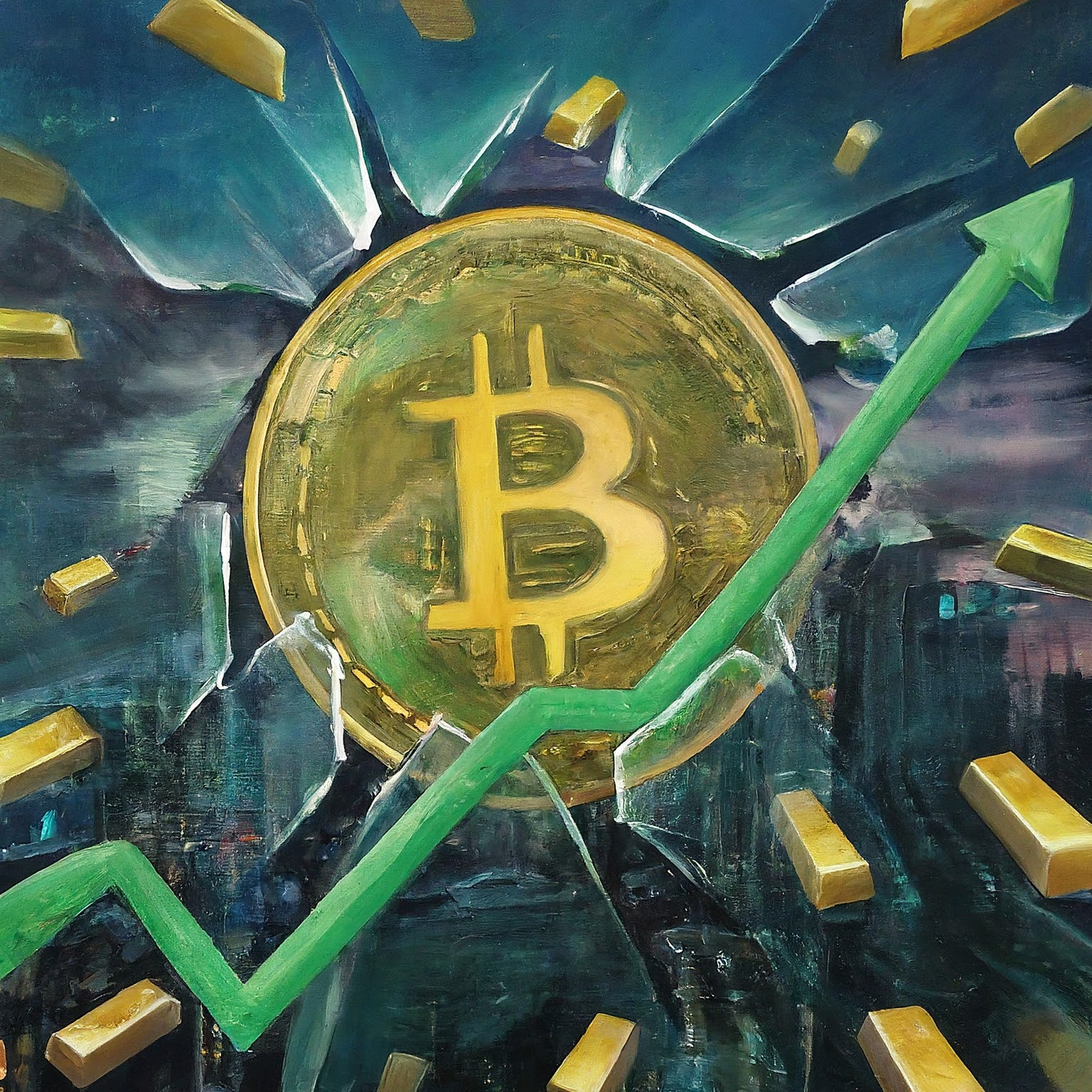
The crypto world is no stranger to regulatory tremors, but South Korea’s latest move has sent ripples of concern throughout the market.
Korea Clamps Down on Crypto Lending
The South Korean Financial Services Commission (FSC) has ordered crypto exchanges to cease offering new lending products, citing risks to users and market stability. This decision comes after a surge in liquidations on platforms like Bithumb, where 13% of borrowers faced losses due to volatile collateral values. The FSC’s guidance permits existing loans to continue but prohibits the launch of any new lending services. Non-compliance could lead to inspections and further regulatory action.
Leverage Concerns Fuel Regulatory Scrutiny
This crackdown mirrors growing global anxieties about the increasing use of leverage in crypto markets. A recent Galaxy Digital report revealed a 27% jump in crypto-collateralized loans in Q2 2024, reaching $53.1 billion. This figure represents the highest level of crypto leverage since early 2022. The FSC’s intervention highlights a clear effort to preemptively manage the potential fallout of unchecked leverage. Last week’s $1 billion liquidation wave, triggered by Bitcoin’s drop from $124,000 to $118,000, underscores the fragility of overleveraged positions. Analysts are sounding the alarm about emerging stress points, including DeFi liquidity crunches, ETH staking exit queues, and widening spreads between on-chain and OTC dollar lending rates.
Differing Perspectives on Regulatory Approach
While the FSC’s actions aim to mitigate risks, some argue for alternative solutions. Bradley Park of DNTV Research suggests focusing on improved user interfaces, clearer risk disclosures, and stricter Loan-to-Value (LTV) controls instead of a complete shutdown. He notes that most exchange lending involves stablecoins used for short positions, hinting that the FSC might be more concerned with market distortions like the negative kimchi premium. Park also points to the lack of transparency in lending activities, with some major exchanges like Upbit not disclosing their data. This opacity makes it difficult to assess systemic risks and might have contributed to the FSC’s blanket suspension.
The Korean regulatory landscape is rapidly evolving, and the future of crypto lending within its borders remains uncertain. Formal guidelines are expected in the coming months, which will provide greater clarity for both exchanges and investors. The global crypto community will be watching closely to see how these regulations unfold and what impact they have on the broader market. What do you think of this latest development? Share your thoughts in the comments below.




Deixe um comentário