






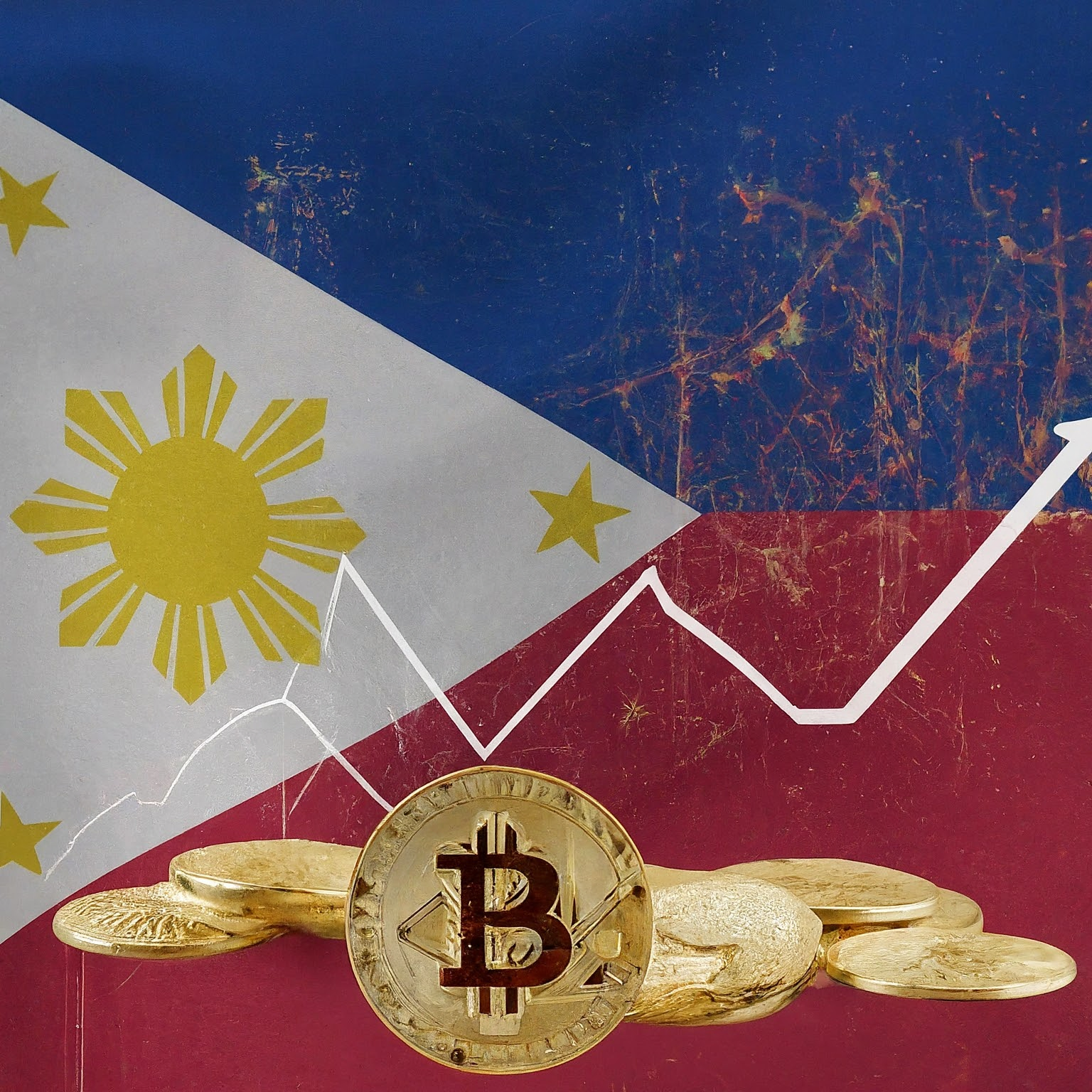
The Philippines is considering a bold move to tackle its mounting national debt: a government-controlled Bitcoin reserve. Could this be a groundbreaking solution or a risky gamble in the volatile world of cryptocurrency?
Bitcoin as a National Asset
Congressman Miguel Luis R. Villafuerte has introduced the Strategic Bitcoin Reserve Act, proposing the Bangko Sentral ng Pilipinas (BSP), the nation’s central bank, acquire 2,000 BTC annually for five years, totaling 10,000 BTC. This reserve would be locked for 20 years, usable only for debt reduction.
Drawing Inspiration from Traditional Reserves
Villafuerte draws parallels to the U.S. Strategic Petroleum Reserve and Canada’s maple syrup stockpile, envisioning Bitcoin as a strategic asset. This approach recognizes the growing influence of cryptocurrency in global finance and seeks to diversify the Philippines’ assets.
Strict Management and Security
The proposed act outlines strict rules for managing the reserve. After the 20-year lock-up, the BSP governor could sell only 10% every two years. The bill emphasizes secure storage with geographically dispersed cold-storage facilities, audited quarterly via public cryptographic attestations and verified by independent parties. Security, transparency, and accountability are paramount.
Protecting Private Ownership
The legislation assures citizens that their Bitcoin holdings are safe from government confiscation. Forks and airdropped assets would also be held for at least five years, further maximizing potential returns from the reserve.
A Controversial Strategy
While the Philippines grapples with a $285 billion national debt, equating to 60% of its GDP, the efficacy of this Bitcoin strategy remains to be seen. The volatile nature of cryptocurrency presents both opportunities and risks. Could this move stabilize the Philippine peso or expose the nation to greater financial instability?
What are your thoughts on this bold proposal? Share your perspectives in the comments below.






Deixe um comentário