





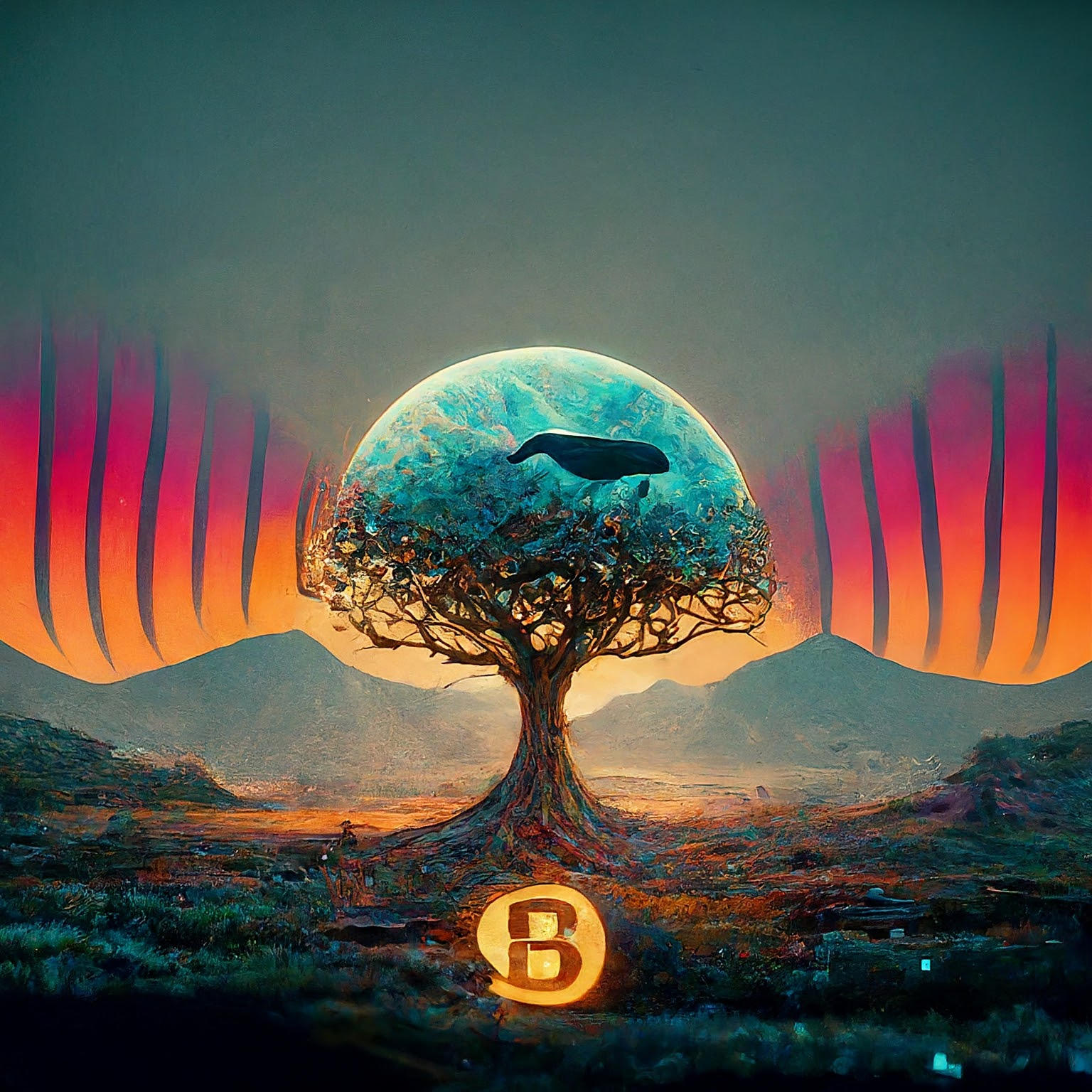
The crypto world is abuzz with whispers of Bitcoin whales making waves, liquidating their holdings, and potentially dragging the market down. But is this the whole story? A deeper dive into on-chain data reveals a more nuanced narrative.
HODL Waves Tell a Different Story
Glassnode’s HODL Waves provide a fascinating visualization of Bitcoin’s supply distribution across various age bands. Each band represents the percentage of BTC last moved within a specific timeframe. And what they reveal contradicts the simplistic narrative of a whale-driven sell-off.
Long-Term Holders Are in it for the Long Haul
While some large holders have indeed been selling, the data shows a significant accumulation of Bitcoin by long-term holders. Coins held for 7 to 10 years now represent over 8.1% of the supply, the highest level since 2019. This growth suggests a strong conviction in Bitcoin’s future among seasoned investors.
The Decade-Plus Club
The trend is even more pronounced for those holding Bitcoin for over 10 years. This cohort controls around 17% of the supply, and their share has steadily increased, demonstrating unwavering belief in the digital asset’s long-term value proposition.
Mid-Term Holders Taking Profits
Interestingly, holders in the 5 to 7-year range have seen a decline in their holdings. This group, likely having acquired Bitcoin during the 2019-2020 period, including the Covid crash, appears to be taking profits. This is a natural market cycle, where some investors capitalize on gains while others continue to accumulate.
A Nuanced Market Landscape
The data paints a complex picture, one that goes beyond the simplified narrative of whale-driven selling. While large transactions undoubtedly impact the market, the underlying story is one of accumulation by long-term holders. This suggests a fundamental belief in Bitcoin’s potential despite short-term market fluctuations. What are your thoughts on this long-term vs. short-term holder dynamic? Share your perspectives in the comments below.


Deixe um comentário