






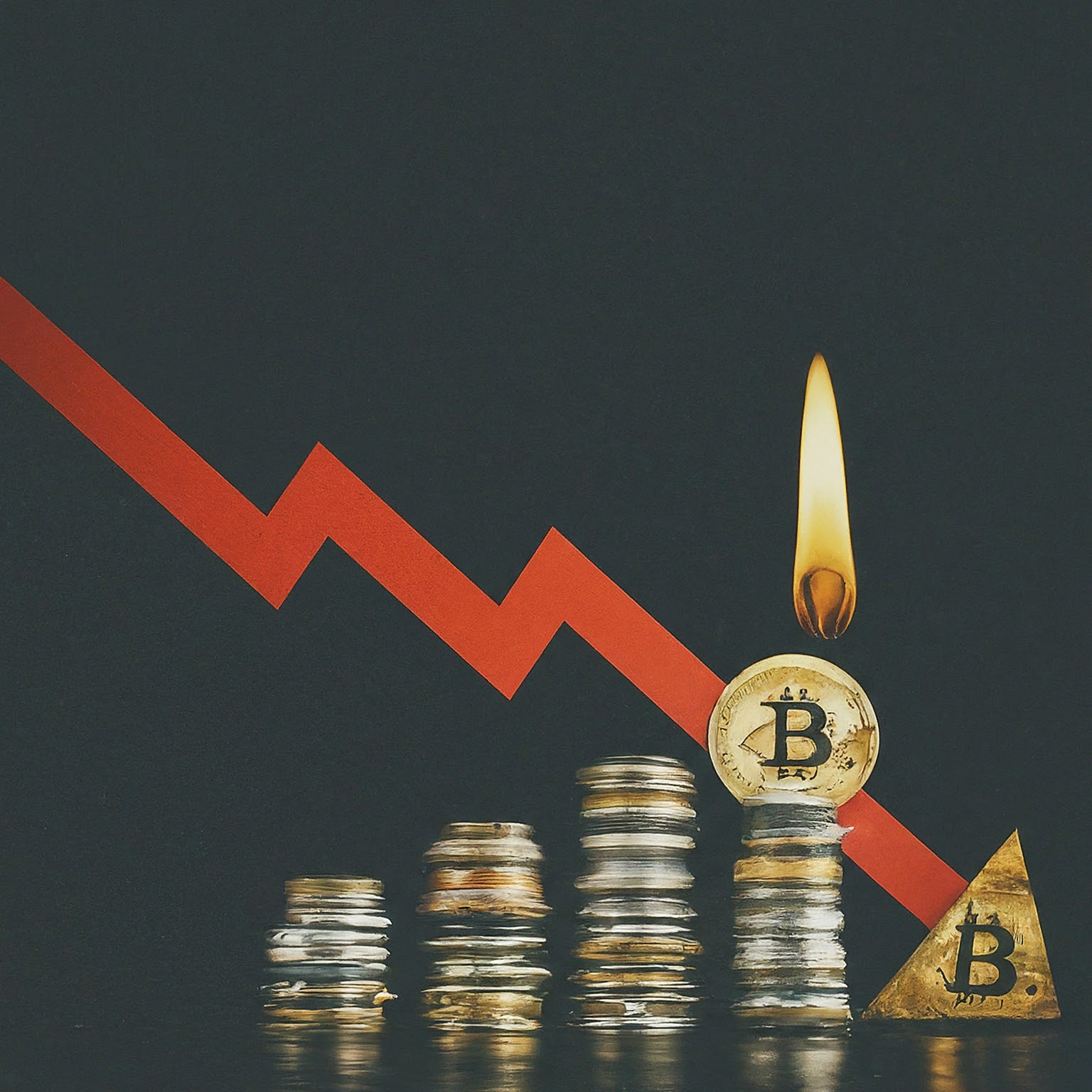
The South Korean Kospi index has surged to unprecedented heights, reaching a record 4,340 points. This surge, fueled by optimistic global market sentiment and anticipated shareholder-friendly policies, has triggered alarm bells within the crypto community. Could this be a harbinger of an impending end to Bitcoin’s bull run?
Kospi’s Ascent and Bitcoin’s Fate
Historically, Bitcoin’s price movements have shown a peculiar correlation with the Kospi’s performance. Every time the Kospi has reached a record high, Bitcoin has been near its cyclical peak. This happened in 2017 and again in 2021, when Bitcoin approached $70,000 before plunging into a bear market. The current Kospi rally, therefore, raises questions about the sustainability of Bitcoin’s upward trajectory.
Unpacking the Correlation
This seemingly uncanny relationship between a traditional stock market index and a decentralized digital asset can be attributed to shared sensitivities to global macroeconomic conditions and risk appetite. Both the Kospi, heavily influenced by global trade dynamics, and Bitcoin react to shifts in investor sentiment. During periods of optimism, capital flows into riskier assets like emerging market equities and cryptocurrencies. Conversely, both tend to decline in tandem during times of uncertainty.
Analyzing the Macroeconomic Backdrop
Current macroeconomic factors paint a complex picture. Inflation remains a concern globally, though some signs point towards a potential cooling. Interest rates remain elevated in major economies, potentially impacting investment flows into riskier assets. Geopolitical tensions further complicate the landscape, injecting an element of uncertainty into the market.
How the News Influences the Market
The Kospi’s record high, in conjunction with the historical correlation, suggests a scenario where Bitcoin’s bull run could be approaching its peak. This doesn’t necessarily predict an immediate crash, but it does warrant caution among investors. The interconnectedness of global markets means events in one area can ripple across asset classes. Bitcoin, despite its decentralized nature, is not immune to these broader economic forces. The current macroeconomic environment, with persistent inflation and geopolitical uncertainties, could amplify the impact of the Kospi’s surge on cryptocurrencies. Market sentiment remains a critical factor to watch closely.
It’s important to remember that historical correlations do not guarantee future outcomes. While the Kospi’s performance provides an interesting data point, numerous other factors influence Bitcoin’s price. Prudent investors should consider a diversified portfolio and risk management strategies.
A Look Ahead
The interplay between traditional markets like the Kospi and the crypto market remains a fascinating area of study. As Bitcoin becomes increasingly integrated with the broader financial system, understanding these relationships will be crucial for navigating the volatile landscape of digital assets. What are your thoughts on this potential correlation? Share your perspective in the comments below.


Deixe um comentário