






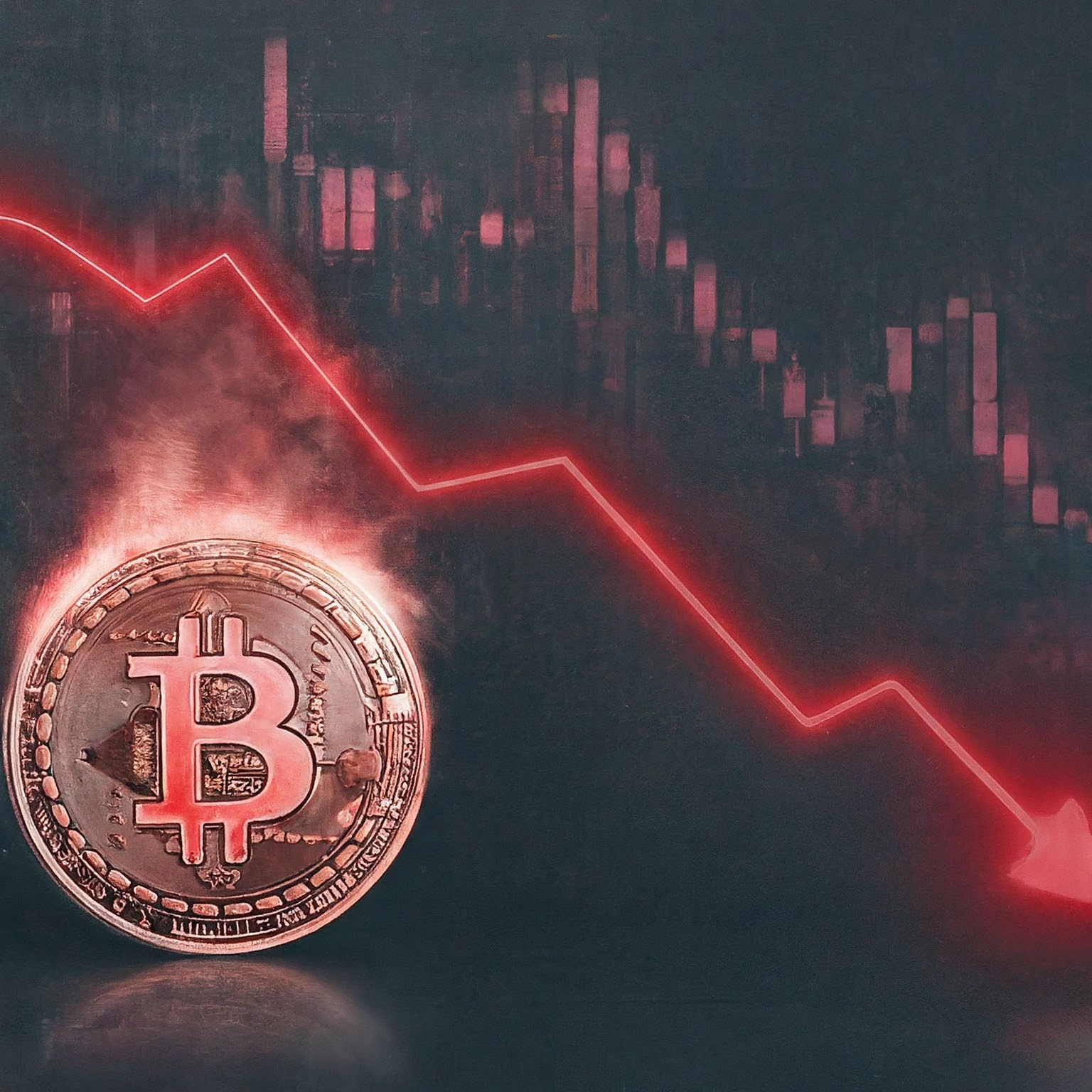
Bitcoin has stumbled into what is historically its third worst performing week, raising questions about the cryptocurrency’s short-term trajectory. Is this a temporary blip or a sign of deeper market concerns?
A Historically Weak Week
Week 38 has traditionally been unkind to Bitcoin, averaging a -2.25% return according to Coinglass data. Only weeks 28 and 14 have seen worse average performance historically. This year, the trend appears to be holding, with Bitcoin already down nearly 2% and trading around $113,000.
Max Pain and Fading Enthusiasm
Several factors seem to be contributing to Bitcoin’s current weakness. September’s monthly options expiry points to a max pain level of $110,000, according to Deribit, suggesting further potential downside. Max pain refers to the strike price at which the largest number of options contracts expire worthless.
Furthermore, market enthusiasm appears to be waning. Perpetual funding rates for Bitcoin, which measure the cost of holding leveraged positions in perpetual futures contracts, have dipped to 4%, a relatively low level. This low funding rate implies reduced demand for leveraged long positions, often a sign that speculative excess has cooled.
Implied volatility (IV), a measure of expected price fluctuations, is also near historical lows at 37%, indicating a perceived stability in the market, at least for now.
Gold’s Rally and AI’s Allure
Adding to Bitcoin’s woes, gold has continued its impressive rally, climbing another 1% on Tuesday and now stands more than 42% higher year-to-date. This continued strength in gold could be diverting some investor interest away from Bitcoin. In addition, the meteoric rise of artificial intelligence and high-performance computing stocks, like IREN, may also be drawing attention and capital away from the cryptocurrency market in the short term.
How the News Influences the Market
The confluence of historically weak seasonal performance, low funding rates, and external market forces like the gold rally and AI boom paints a complex picture for Bitcoin. This could suggest a period of consolidation or even further downside in the near term.
Considering the current macroeconomic landscape of high inflation and rising interest rates, investors may be looking for safe havens, and gold seems to be fulfilling that role currently. The excitement surrounding AI investments is further compounding the pressure on Bitcoin, as investors chase higher returns in other asset classes.
While Bitcoin remains up for the month and quarter, these recent developments could lead to a shift in market sentiment. A continued downturn in Bitcoin’s price could trigger further selling pressure as investors become more risk-averse. Conversely, this could also present a buying opportunity for long-term investors who believe in Bitcoin’s fundamentals. The next few weeks will be crucial in determining the direction of the market.
Conclusion
Bitcoin’s current struggles within a historically challenging week, coupled with external pressures from gold and AI, create a complex landscape for investors. While the long-term outlook for Bitcoin remains a subject of much debate, understanding the current market dynamics is crucial for navigating the short-term volatility. What do you think this means for Bitcoin? Share your thoughts in the comments below.






Deixe um comentário