






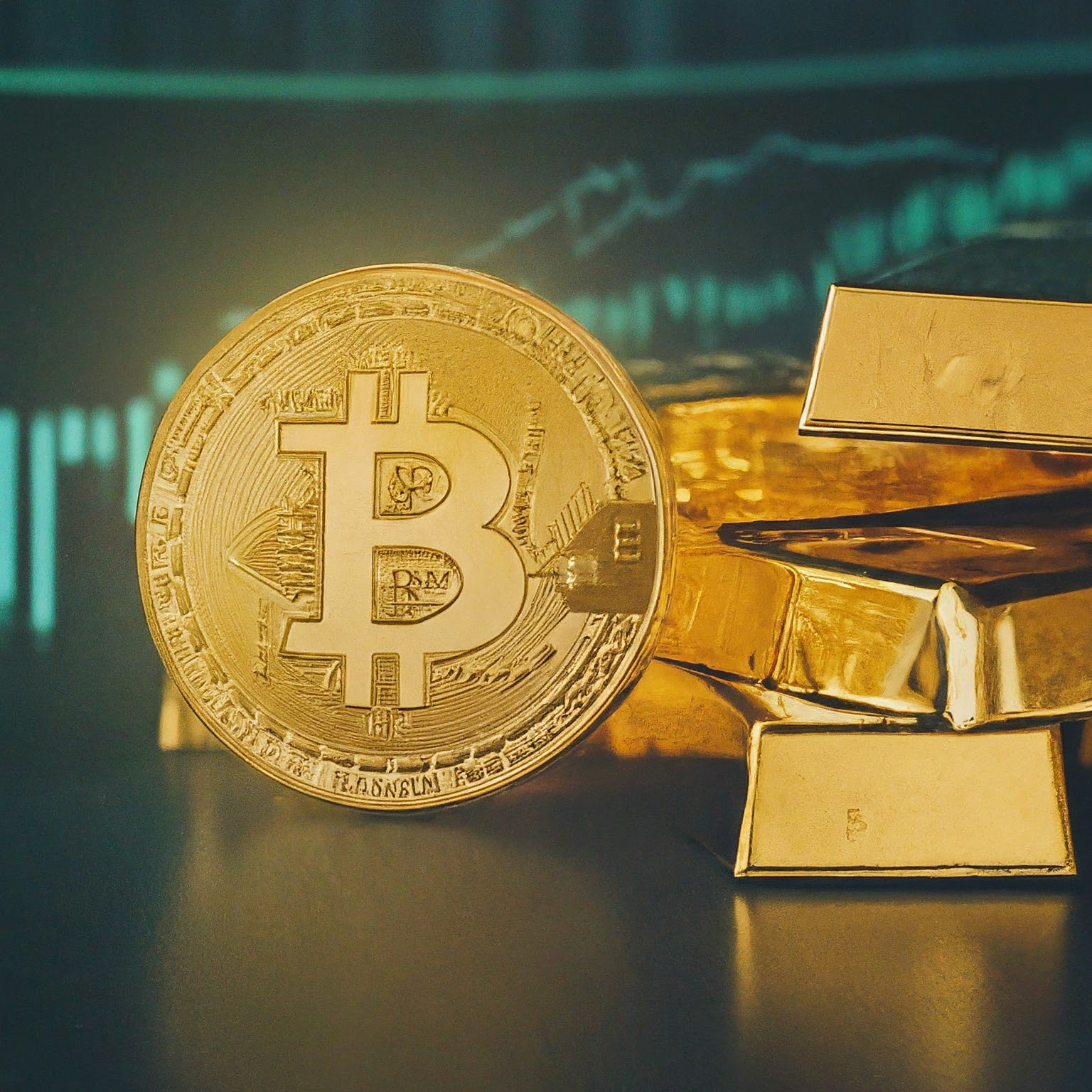
The year is 2025, and a seismic shift is underway in the financial markets. While Bitcoin, the digital gold narrative’s poster child, has seen respectable gains, it’s being overshadowed by a resurgence in traditional safe-haven assets: precious metals.
Gold, silver, platinum, and palladium are experiencing a price surge, leaving many investors wondering what’s fueling this unexpected rally and questioning Bitcoin’s role as a digital safe haven.
A Resurgence of Traditional Safe Havens
Gold has always been the go-to safe haven, but its performance in 2025 is particularly noteworthy, boasting a 44% increase. This surge isn’t limited to gold alone. Silver, platinum, and palladium have all registered substantial gains, outperforming even Bitcoin’s impressive 20% rise.
Bitcoin’s Performance Under Scrutiny
Bitcoin, often touted as digital gold, has lagged behind. While a 20% increase is nothing to scoff at, it pales in comparison to the double-digit gains seen in precious metals. This raises questions about Bitcoin’s perceived role as an inflation hedge and store of value.
The Macroeconomic Backdrop
Several factors contribute to this dynamic shift in market sentiment. A deteriorating fiscal outlook for advanced economies, coupled with persistent inflationary pressures, has investors flocking to tangible assets like precious metals.
The ongoing global uncertainty, exacerbated by geopolitical tensions and persistent supply chain disruptions, has further fueled this trend. Investors are seeking stability, and precious metals, with their historical track record, provide a sense of security.
Central Bank Accumulation
Central banks worldwide have been aggressively accumulating gold reserves. This “buying spree” adds another layer of support to the precious metals market, driving demand and prices upward. Gold, seen as a hedge against currency devaluation and economic instability, remains a favored choice for central bank diversification.
Bitcoin’s Limited Adoption
Unlike gold, Bitcoin hasn’t yet found its way onto central bank balance sheets. This limited institutional adoption restricts its potential as a reserve asset and might be contributing to its underperformance compared to precious metals. Additionally, large sell-offs from long-term Bitcoin holders have created headwinds, potentially capping its price appreciation.
How the News Influences the Market
This news suggests a potential shift in investor sentiment away from digital assets towards traditional safe havens. While Bitcoin remains a significant player in the investment landscape, the renewed interest in precious metals could signal a reassessment of portfolio allocations.
The macroeconomic context of persistent inflation and geopolitical instability plays a crucial role. Investors are seeking stability and tangible assets like precious metals, which have a long-standing reputation as safe havens, are benefiting from this trend.
If this trend continues, we could see a strengthening of the precious metals market and a potential reallocation of capital away from digital assets, at least in the short term. This doesn’t necessarily imply a bearish outlook for Bitcoin but rather highlights the cyclical nature of markets and the importance of diversification.
Looking Ahead
The future performance of both precious metals and Bitcoin remains uncertain. While precious metals are currently enjoying their time in the spotlight, the long-term trajectory of digital assets, especially with ongoing institutional adoption, shouldn’t be discounted. The interplay between these asset classes will undoubtedly be a fascinating narrative to follow in the coming months and years. Share your thoughts in the comments below!



Deixe um comentário