







Bitcoin’s Core Debate Ignites: Is a Hard Fork Looming?
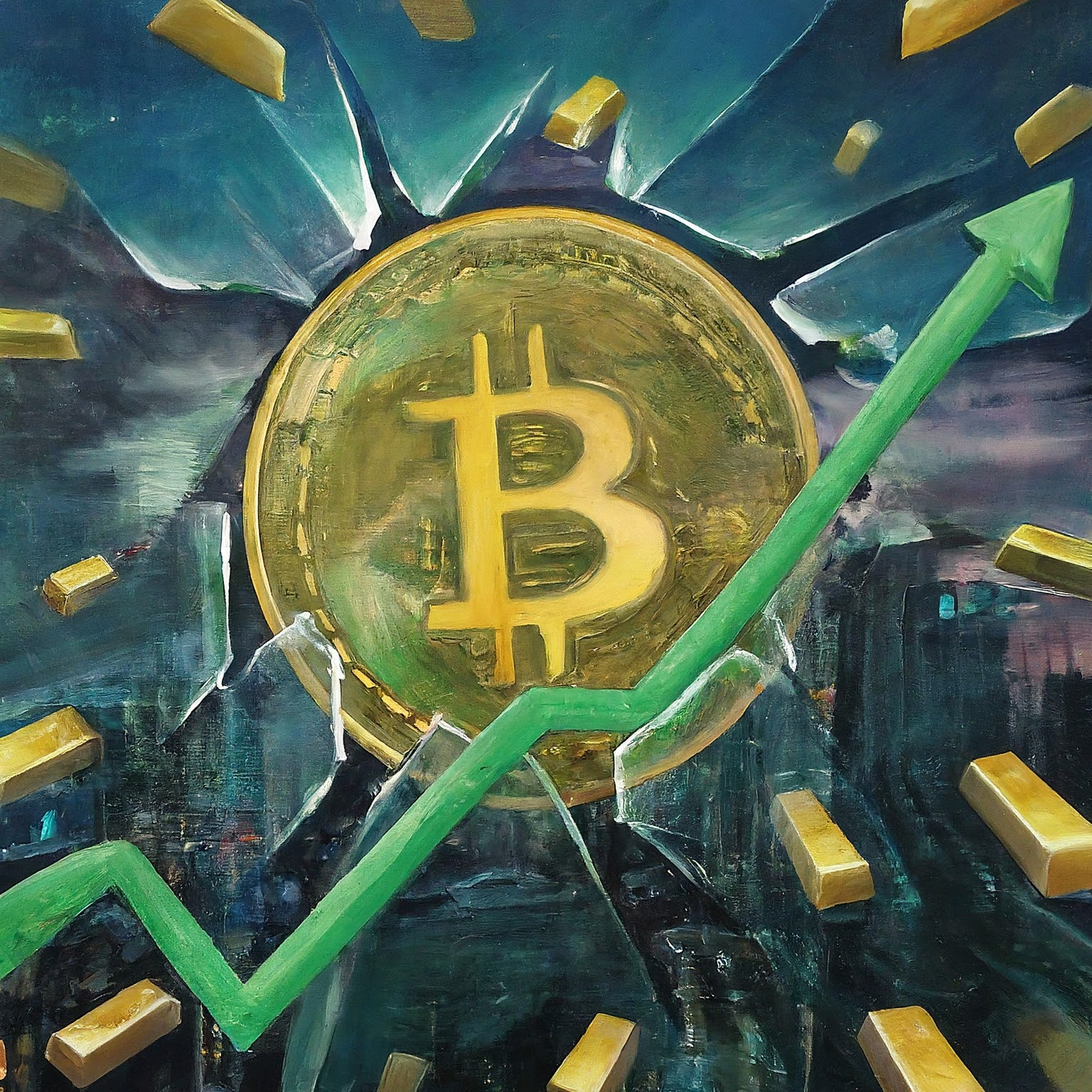
The blockchain world thrives on innovation and evolution, but not all evolution is welcomed with open arms. This week, the normally steady waters of Bitcoin governance were stirred by accusations against a long-standing developer, igniting a philosophical rift that cuts to the very heart of the protocol. The question at the forefront: is Bitcoin’s immutability being threatened, and could this lead to a contentious split?
The Accusations Emerge
A recent article published by The Rage sent shockwaves through the crypto community, alleging that Luke Dashjr, a key maintainer of the Bitcoin Knots software, had proposed a hard fork. This hypothetical fork, according to the report, would introduce a trusted multisig committee with sweeping powers: the ability to retroactively alter the blockchain, scrutinize transactions, and even remove ‘illicit’ content. The catalyst for these claims was reportedly a series of leaked text messages in which Dashjr allegedly stated, “Either Bitcoin dies or we have to trust someone.” This narrative quickly gained traction across social media, amassing hundreds of thousands of views and amplifying a long-standing ideological battle within Bitcoin development.
Dashjr’s Vehement Denial
Almost immediately, Luke Dashjr himself issued a strong refutation of the claims. He categorically denied proposing any hard fork or similar measure, labeling the accusations as a smear campaign by ‘bad actors’ seeking to undermine his efforts to ‘save Bitcoin’. Over the next 24 hours, Dashjr reiterated his stance multiple times, emphasizing, “Nope, nothing changed. Nobody is calling for a hard fork still” and emphatically stating, “There is no hard fork.” This direct rebuttal, however, did little to quell the debate, as The Rage coyly responded by questioning the source of the leaked messages.
The Knots vs. Core Divide
The controversy is deeply rooted in a persistent divergence between Dashjr’s Bitcoin Knots project and the widely adopted Bitcoin Core software. Bitcoin Knots is known for its more stringent transaction policies, actively blocking non-financial data like Ordinals inscriptions and Runes tokens. Dashjr and his supporters argue these measures are crucial for preserving Bitcoin’s monetary integrity and protecting it from potential regulatory overreach. Conversely, Bitcoin Core developers have historically adopted a more permissive stance, tolerating non-standard data as long as it doesn’t violate network consensus. The alleged hard fork proposal, therefore, struck at the core of this tension, appearing to some as a confirmation of fears about compromising Bitcoin’s immutable nature, while others viewed it as a deliberate attempt to derail the push for more robust spam filters.
Voices of Defense
Interestingly, even proponents of technologies that Dashjr’s critics might associate with ‘spam,’ such as Udi Wertheimer, co-founder of Taproot Wizards, came to his defense. Wertheimer publicly dismissed the report as a “hit piece and fake news,” asserting that Dashjr was not proposing such a fork. He suggested that the leaked messages were merely a hypothetical discussion about using zero-knowledge proofs to enable Knots nodes to avoid downloading ‘spam,’ ultimately concluding, “This is, as always, a nothing burger.” Wertheimer further posited that such a proposal, if ever implemented, would not censor the network, split it, or break compatibility with Core.
How the Notícia Influencia o Mercado
While the immediate market reaction has been subtle, the timing of this governance debate is noteworthy. In the current macroeconomic climate, marked by persistent inflation concerns in some regions and cautious interest rate policies by central banks, uncertainty within a major cryptocurrency protocol like Bitcoin can be a significant dampener. The mere rumor of a potential hard fork or a fundamental shift in Bitcoin’s immutability principle can amplify existing downward pressures. Although no direct causal link can be definitively established, the recent dip in Bitcoin’s price, which saw BTC slip around 2.2% and over 5.5% in the last week, occurred concurrently with these discussions. This suggests a market that is highly sensitive to any news that might introduce volatility or question the foundational principles of the asset. Such debates could foster a more risk-off sentiment among investors, potentially leading to reduced capital inflows into the crypto space as a whole, or at least a cautious stance on Bitcoin until clarity emerges. The speculation around protocol changes, even if denied, highlights the fragility of market sentiment and the importance of clear communication and established governance in maintaining investor confidence.
Looking Ahead
The Bitcoin governance debate, fueled by the Dashjr controversy, underscores the ongoing tension between maintaining Bitcoin’s core principles and adapting to new technological possibilities and potential threats. While Dashjr has firmly denied the allegations, the discourse has brought to the surface deep-seated philosophical differences. The outcome of these discussions, and how the community navigates such disputes, will undoubtedly shape the future trajectory of Bitcoin and the broader cryptocurrency ecosystem. What remains clear is that the conversation around Bitcoin’s future is far from over, and the community’s vigilance in safeguarding its core tenets will continue to be tested.




Deixe um comentário