






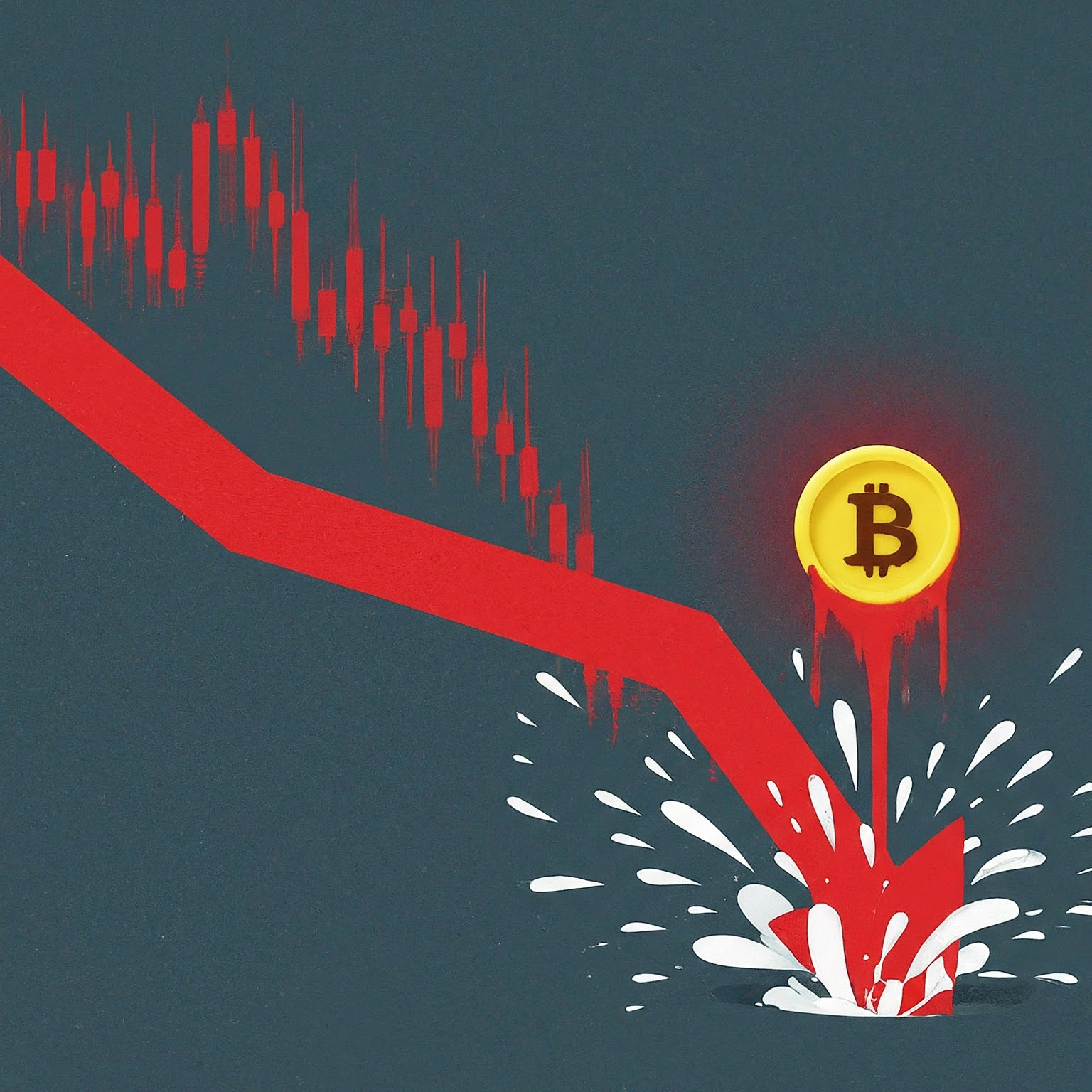
A shocking exploit has rocked the memecoin launchpad Odin.fun, resulting in the loss of 58.2 Bitcoin, equivalent to approximately $7 million. This sophisticated attack targeted the platform’s automated liquidity market-making (AMM) system, exposing a critical vulnerability that allowed malicious actors to drain its reserves.
The Mechanics of the Exploit
The attackers manipulated Odin’s liquidity pool by depositing a worthless token alongside BTC, artificially inflating the price ratio within the thin market. This manipulation made the worthless token appear far more valuable in BTC terms than it actually was. Through self-trading or over-weighted deposits, they skewed the pool’s internal math, allowing them to withdraw a substantial amount of real BTC at the inflated price.
The Vulnerability of AMMs
Automated market makers rely solely on internal supply ratios, not external price checks. This makes them particularly vulnerable to manipulation when liquidity pools are shallow or poorly secured. The Odin.fun incident highlights the risks associated with AMMs, especially in the volatile world of memecoins.
Tracing the Attackers
Odin.fun co-founder Bob Bodily confirmed the exploit, stating that several malicious users, primarily linked to groups in China, were behind the attack. Blockchain data reveals a drastic drop in the platform’s Bitcoin reserves from 291 BTC to 232.8 BTC in under two hours. The breach was first detected by a community member who noticed unusual liquidity movements.
The Aftermath and Recovery Plan
While the remaining funds on the platform are secure, Odin.fun’s treasury isn’t sufficient to cover the entire loss. Bodily assured users that a “concrete plan” is being developed to compensate those affected. The plan involves a full security audit and collaboration with law enforcement. Odin.fun is also working with Binance and OKX, who are engaging with Chinese authorities to track and potentially freeze the stolen funds.
The Broader Implications
This incident underscores the critical need for robust security measures in the DeFi space. The vulnerability exploited in the Odin.fun attack highlights the potential risks associated with AMMs and the importance of thorough security audits. The involvement of potentially China-based actors also raises concerns about the global nature of crypto crime. What will this mean for the future of memecoin launchpads? How will this incident shape the development of more secure DeFi protocols? The long-term impact of this security breach on the cryptocurrency landscape remains to be seen. Share your thoughts in the comments below.





Deixe um comentário