






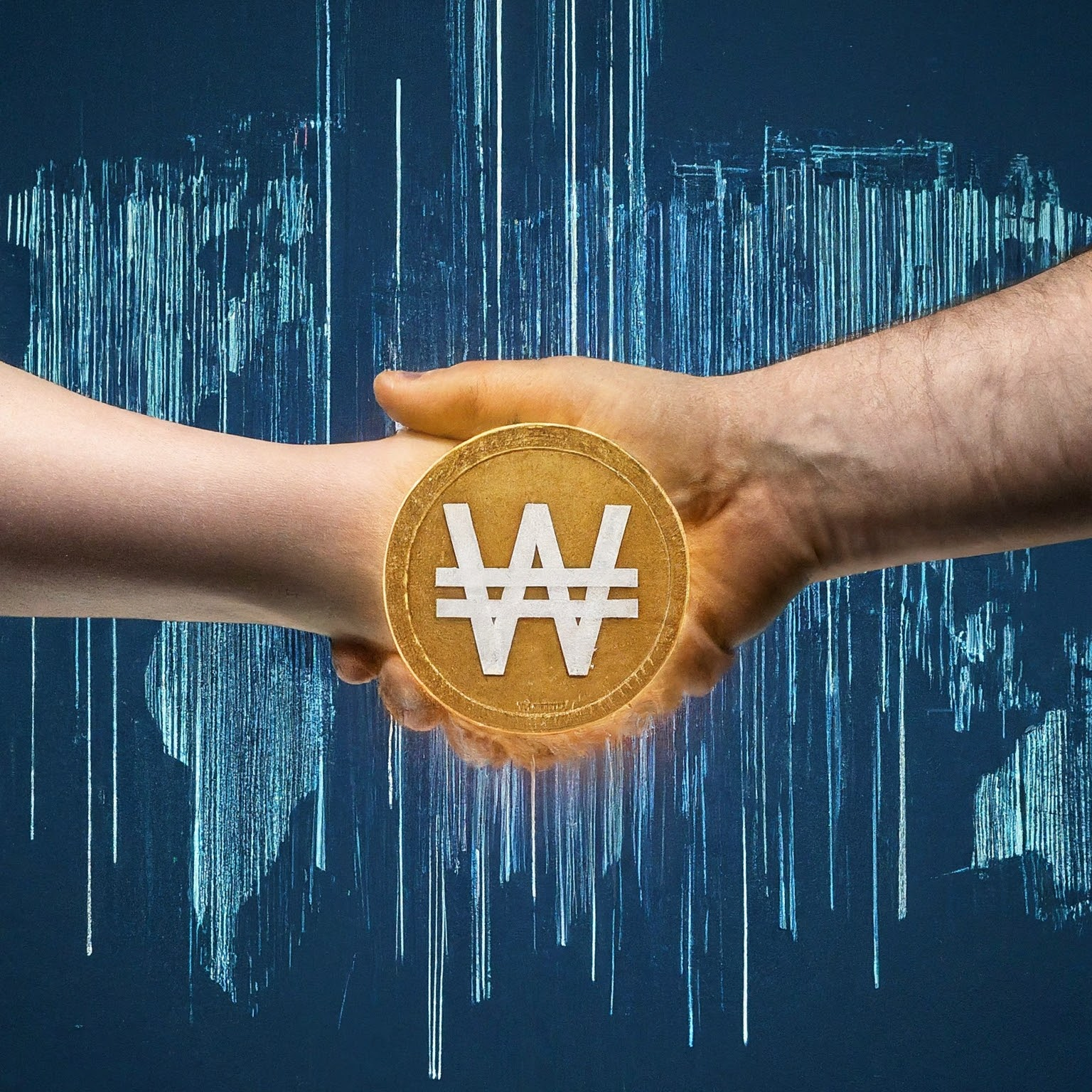
South Korea’s financial landscape is on the cusp of transformation. The country’s top banking giants are reportedly in talks with stablecoin heavyweights Tether and Circle, potentially reshaping the nation’s relationship with digital assets. This could signal a pivotal moment, not just for South Korea, but for the broader adoption of stablecoins worldwide.
Stablecoin Partnerships on the Horizon
According to reports from Yonhap News Agency, executives from major South Korean banks – Shinhan, Hana, KB Financial, and Woori Bank – are scheduled to meet with representatives from both Tether and Circle. These meetings are expected to explore potential collaborations in distributing and transacting with dollar-pegged stablecoins, like Tether’s USDT and Circle’s USDC. Even more significantly, the discussions may delve into the possibility of issuing a stablecoin pegged to the South Korean won (KRW).
A Pro-Crypto Presidency Fuels the Fire
These developments come as no surprise given the pro-crypto stance of President Lee Jae Myung’s administration. A key campaign promise was to establish a thriving stablecoin market tied to the won. This initiative gains further momentum following the Bank of Korea’s decision to shelve its central bank digital currency (CBDC) project in June, seemingly paving the way for private sector solutions. This suggests a deliberate shift towards encouraging private sector innovation in the digital asset space.
Implications for the Korean Won and Global Stablecoins
The implications of these potential partnerships are substantial. A KRW-pegged stablecoin could streamline domestic transactions, offering a more efficient and potentially cost-effective alternative to traditional payment methods. Furthermore, collaborations with established players like Tether and Circle could boost investor confidence and accelerate the integration of stablecoins into mainstream financial systems within South Korea. This move also strategically positions South Korea as a key player in the global stablecoin arena, potentially influencing how other nations approach similar initiatives. Stablecoins, South Korea, and the KRW are intertwined in this unfolding narrative.
A Catalyst for Wider Adoption?
This potential shift by South Korean banks represents a powerful endorsement of stablecoins and their potential to revolutionize finance. It could serve as a catalyst for wider adoption, not just in Asia, but globally. The discussions between these major financial institutions and stablecoin issuers will be closely watched by industry experts and regulators alike, as their outcomes could shape the future of digital finance.
What are your thoughts on South Korea’s embrace of stablecoins? Share your perspectives in the comments below.





Deixe um comentário