






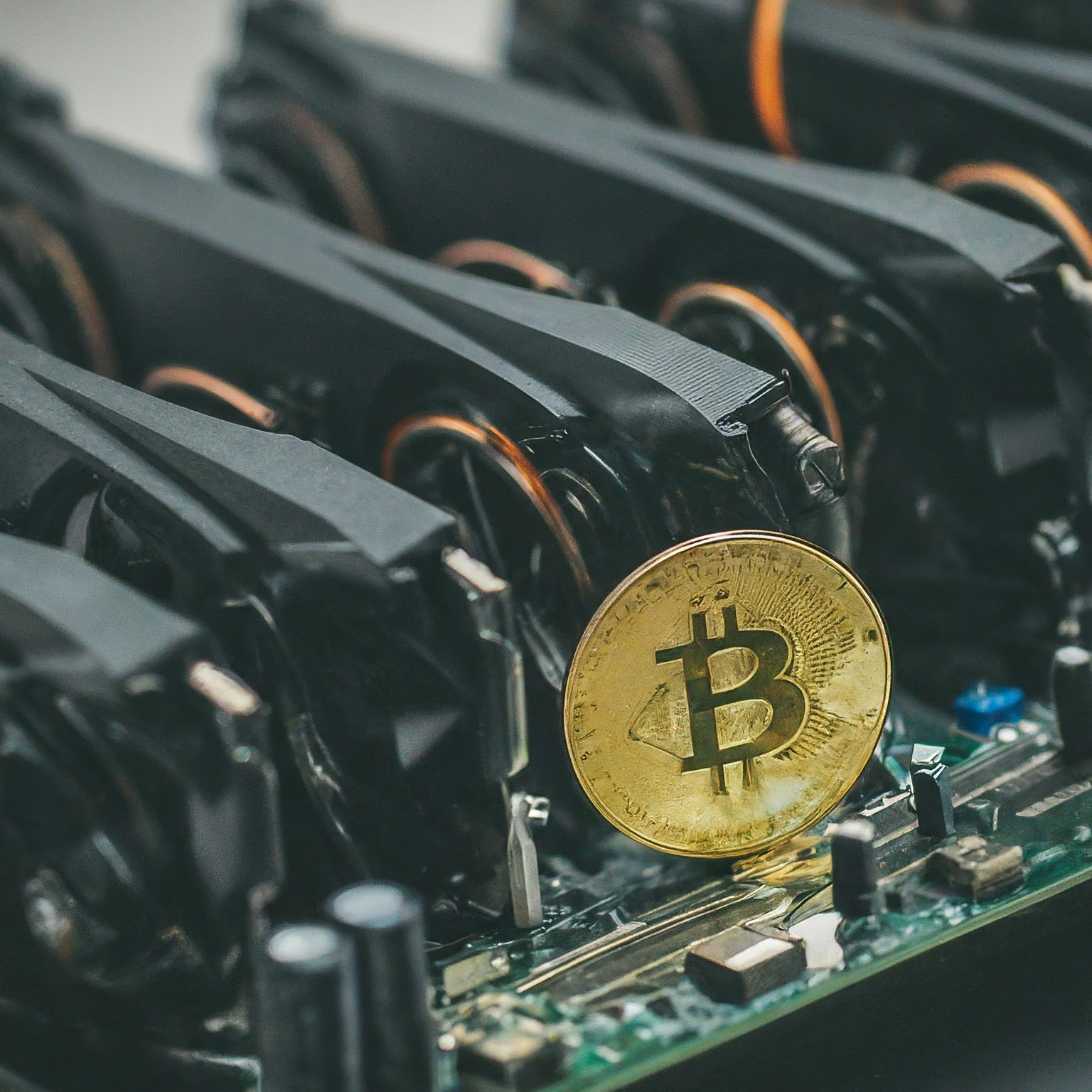
The ground beneath Bitcoin miners is shifting. The familiar four-year halving cycle, once the heartbeat of the industry, is fading into the background. A confluence of factors – from the rise of Bitcoin ETFs to surging energy demands and the looming shadow of AI – is reshaping the mining landscape, forcing miners to adapt or risk obsolescence.
The Old Cycle Breaks
For years, the Bitcoin halving event, occurring every four years, dictated the rhythm of mining profitability. Miners lived and died by this cycle, scrambling to cut costs or scale operations to survive the periodic halving of block rewards. However, this predictable pattern is no longer the dominant force. The maturation of Bitcoin as a strategic asset, fueled by ETF adoption and growing institutional interest, is driving demand in ways that decouple mining from the halving cycle.
Power Becomes King
The conversation has shifted from hash rate to megawatts. The cost of electricity is now the paramount concern for miners. With energy prices soaring, the economics of Bitcoin mining are under immense pressure. At current electricity rates of roughly five cents per kilowatt-hour, mining a single Bitcoin can cost upwards of $60,000. With Bitcoin prices fluctuating, the profit margins are razor-thin, making access to ultra-low-cost power a matter of survival.
Diversification or Bust
Mining companies are recognizing the need to diversify. Relying solely on Bitcoin block rewards is no longer a viable long-term strategy. Cleanspark, a major player in the mining space, is actively exploring ways to monetize its substantial energy infrastructure beyond Bitcoin mining. This includes exploring opportunities in other computationally intensive fields, such as artificial intelligence, which promises a new avenue for revenue generation.
Liquid Staking Emerges
As mining faces these challenges, other innovations are unlocking new possibilities for Bitcoin holders. Liquid staking, a rapidly growing trend in DeFi, allows users to earn yield on their Bitcoin holdings without locking them up. Platforms like Lombard Finance are offering liquid staking tokens, enabling Bitcoin holders to participate in DeFi activities while still earning staking rewards.
The Future of Bitcoin Mining
The Bitcoin mining industry stands at a crossroads. The traditional reliance on block rewards is being challenged by rising energy costs and shifting market dynamics. Miners who fail to adapt and embrace diversification risk being left behind. The future belongs to those who can secure cheap energy, explore alternative revenue streams, and navigate the evolving landscape of the Bitcoin ecosystem. What do you think the future holds for Bitcoin mining? Share your thoughts in the comments below.



Deixe um comentário