




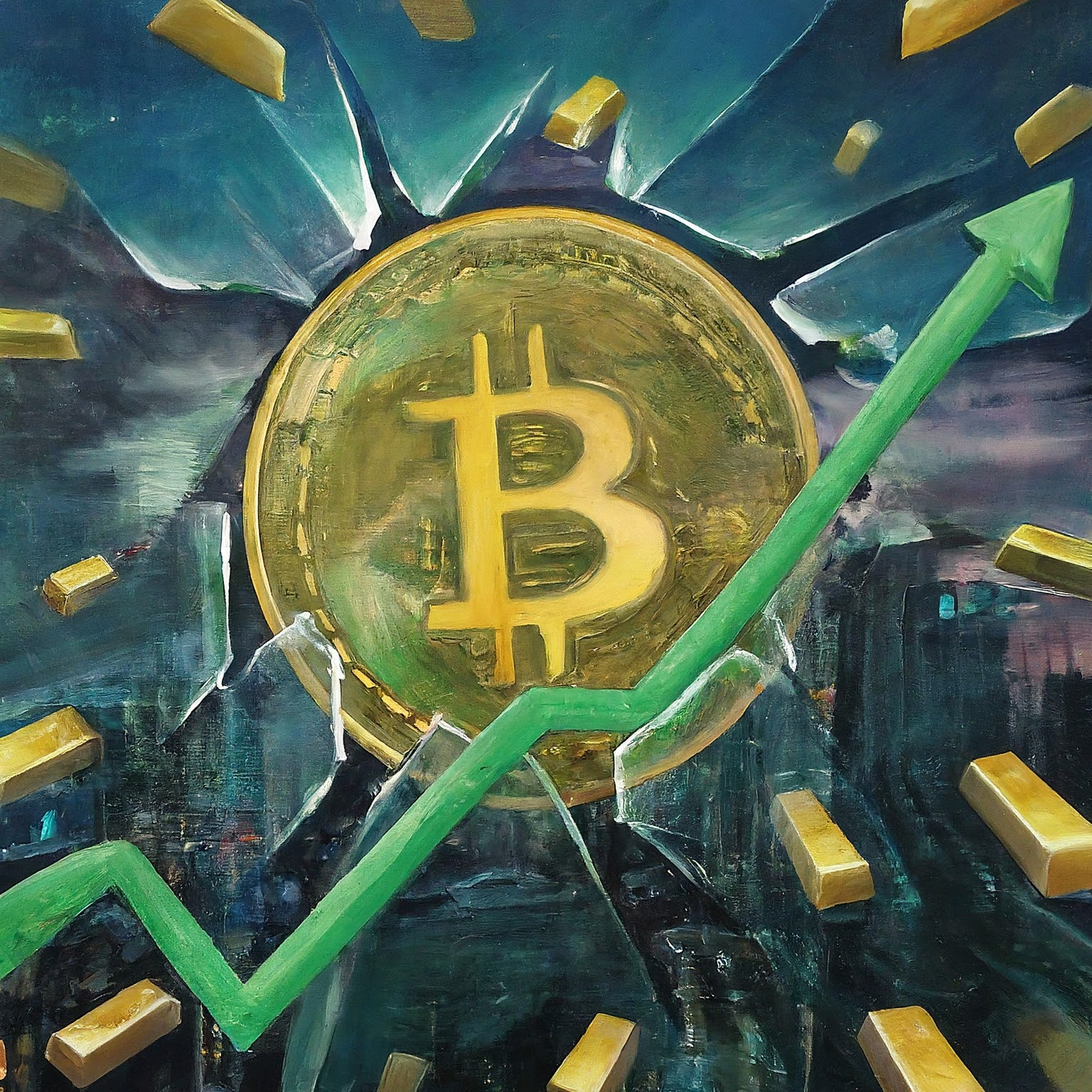
The crypto world is abuzz with the news of frozen wallets, and not just any wallets. Justin Sun, the prominent figure behind Tron, has found his World Liberty Financial (WLFI) holdings locked up. This incident raises critical questions about security, centralized control, and the future of digital asset ownership.
What Happened?
WLFI claims the freeze, impacting 272 wallets, was a protective measure against phishing attacks and compromised support channels. They maintain this action was necessary to safeguard users, not to restrict trading. However, the inclusion of Sun’s wallet in the freeze has raised eyebrows and sparked a wave of speculation.
The Curious Case of Justin Sun
Sun’s wallet freeze followed a series of small “dispersion test” transfers between his wallets after claiming unlocked tokens. While these transfers might have given the impression of selling, onchain data analysis suggests a different narrative.
Data Doesn’t Lie
Nansen data reveals Sun’s transfers occurred 3-5 hours after the steepest decline in WLFI’s price, debunking the theory that his actions triggered the crash. Furthermore, a $12 million WLFI transfer from HTX to Binance by a third-party market maker, though coinciding with the decline, was deemed too small to have significantly impacted the market given WLFI’s $700 million daily trading volume. Market participants point to broader shorting and dumping through market makers across exchanges as the primary driver. Onchain records show a transfer from BitGo to Flowdesk, coinciding with WLFI’s initial decline, strengthening this view.
The Real Concern: Centralized Control?
The implications of WLFI’s actions extend beyond this specific incident. The ability of a project to freeze user funds, even for seemingly legitimate reasons, highlights the centralized nature of many DeFi platforms. This incident raises concerns about the potential for arbitrary control and the vulnerability of users’ assets. If a high-profile figure like Justin Sun can be affected, who’s to say smaller investors are safe? The incident underscores the importance of understanding the risks associated with holding assets on platforms with centralized control mechanisms.
Como a Notícia Influencia o Mercado
This event could have a chilling effect on investor confidence, particularly in newer projects. The current macroeconomic climate of rising interest rates and persistent inflation adds further pressure to the crypto market, making investors more risk-averse. This situation suggests a scenario where investors might prioritize established cryptocurrencies with proven track records over newer, less-tested projects. It reinforces the need for due diligence and understanding the underlying mechanics of any platform before investing.
Moreover, this incident could trigger increased scrutiny of centralized DeFi platforms and their security protocols. Regulators may feel pressured to address the potential for misuse of such control mechanisms, which could lead to more stringent regulations in the future.
What’s Next?
The aftermath of this event will be closely watched. Will WLFI’s explanation suffice, or will this incident lead to further investigations and a broader discussion on the balance between user protection and decentralized principles? Share your thoughts in the comments below.



Deixe um comentário